
If you are still wondering how to grow your business online, you are not alone. Thousands of business owners in India and around the world are trying to figure out the exact same thing every single day. The good news? You don’t need a massive budget or a technical background to start seeing real results. You just need the right strategy, consistent execution, and a partner who understands digital growth — which is exactly what Growthyfy specializes in.
In this guide, we’ll break down the proven, practical steps every business — big or small — can use to build a strong online presence, attract more customers, and grow sustainably.
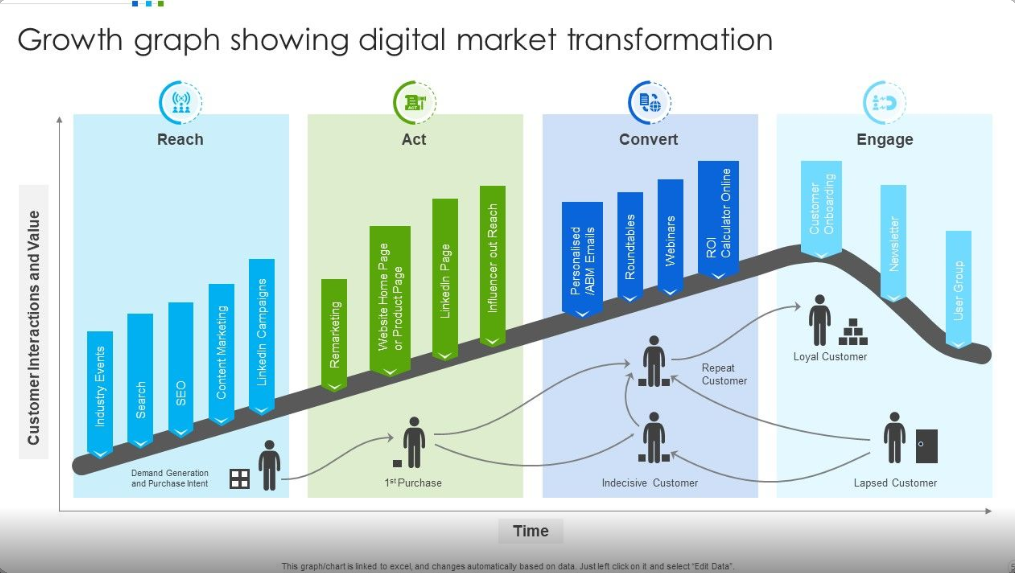
Why Your Business Needs a Strong Online Presence in 2026
The way people discover and choose businesses has completely changed. Before buying anything, customers search online, check reviews, compare websites, and scroll through social media. If your business isn’t visible during that research phase, you are losing customers to competitors who are.
A strong digital presence isn’t optional anymore — it’s the foundation of sustainable business growth. This is precisely why learning how to grow your business online should be at the top of every entrepreneur’s priority list.
1. Start With a Website That Actually Converts
Your website is your digital storefront. If it’s slow, outdated, or hard to navigate, visitors will leave within seconds. A high-converting website should have:
- Fast loading speed (under 3 seconds)
- Mobile-friendly design
- Clear call-to-action buttons
- Simple navigation
- Trust signals like testimonials, certifications, and case studies
WordPress remains one of the best platforms for this because it’s flexible, SEO-friendly, and easy to update — which is why so many growing businesses (including agencies like ours) build on it.
2. Master the Basics of SEO
Search Engine Optimization is the single most cost-effective way to bring consistent, high-intent traffic to your website. Here’s what actually matters in 2026:
Keyword Research – Understand what your potential customers are actually typing into Google. Long-tail keywords (specific phrases with lower competition) often convert better than broad, generic terms.
On-Page SEO – Optimize your titles, meta descriptions, headers, and content structure around your target keywords. Every blog post you publish is another opportunity to rank.
Technical SEO – Site speed, mobile responsiveness, secure HTTPS, clean URL structures, and proper indexing all influence how Google ranks your pages.
Quality Backlinks – Getting other reputable websites to link back to yours builds authority and trust in Google’s eyes.
Local SEO – If you serve a specific city or region, optimizing your Google Business Profile and getting listed in local directories can bring in customers actively searching nearby.
3. Create Content That Solves Real Problems
Content marketing is one of the most underrated tools when businesses think about how to grow your business online. Instead of only promoting your product, focus on answering the questions your audience is already asking.
Blog posts, how-to guides, case studies, and short videos that genuinely help people build trust — and trust is what eventually converts into sales. Consistency matters more than volume: publishing one well-researched, useful article every week beats posting five rushed ones.
Repurpose your content too. A single blog post can become:
- An Instagram carousel
- A LinkedIn article
- A short explainer video
- An email newsletter piece
This multiplies your reach without multiplying your workload.
4. Leverage Social Media Strategically
You don’t need to be on every platform — you need to be where your customers actually spend time.
- Instagram & Facebook – Great for B2C brands, visual storytelling, and community building
- LinkedIn – Ideal for B2B businesses, professional services, and thought leadership
- YouTube – Powerful for tutorials, product demos, and building long-term trust
The key is consistency and genuine engagement — replying to comments, running polls, and sharing behind-the-scenes content builds a loyal community, not just followers.
5. Run Targeted Paid Advertising
Organic growth takes time, and paid ads can accelerate your results while your SEO builds momentum in the background. Platforms like Google Ads and Meta Ads allow you to target audiences by location, interest, behavior, and even purchase intent.
The secret to profitable ad campaigns isn’t a bigger budget — it’s better targeting, compelling creatives, and continuous A/B testing. Even a small daily budget, when optimized correctly, can outperform a large but poorly targeted campaign.
6. Build an Email Marketing System
Email remains one of the highest ROI marketing channels available. Unlike social media, you actually own your email list — no algorithm changes can take it away from you.
Set up:
- A welcome sequence for new subscribers
- Regular value-driven newsletters
- Promotional emails for offers and launches
- Re-engagement campaigns for inactive subscribers
Segmenting your list based on customer behavior and interests dramatically improves open rates and conversions.
7. Track, Analyze, and Improve Continuously
Growth isn’t a one-time project — it’s an ongoing cycle of testing and refining. Use tools like Google Analytics, Google Search Console, and SEO dashboards to monitor:
- Which pages get the most traffic
- Where visitors drop off
- Which keywords are driving conversions
- How your competitors are performing
Regularly reviewing this data helps you double down on what’s working and fix what isn’t — which is a core part of any real strategy for how to grow your business online.
8. Understand Your Competitors’ SEO Strategy
Analyzing your competitors gives you a roadmap of what’s already working in your industry. Look at:
- Which keywords they rank for that you don’t
- Their content structure and publishing frequency
- Their backlink sources
- Their site speed and technical setup